Winter driving hazards in Connecticut increase the risk of serious car accidents every year, especially during snow, ice, and freezing weather conditions. Winter weather creates dangerous road conditions that can change rapidly, making it harder for drivers to maintain control and avoid collisions. When a winter car accident occurs, knowing what steps to take can help protect your health and your legal rights.
At Gould Injury Law, we represent individuals injured in winter car accidents throughout Connecticut and help them understand their legal options after a crash.
Why Winter Driving Is So Dangerous in Connecticut
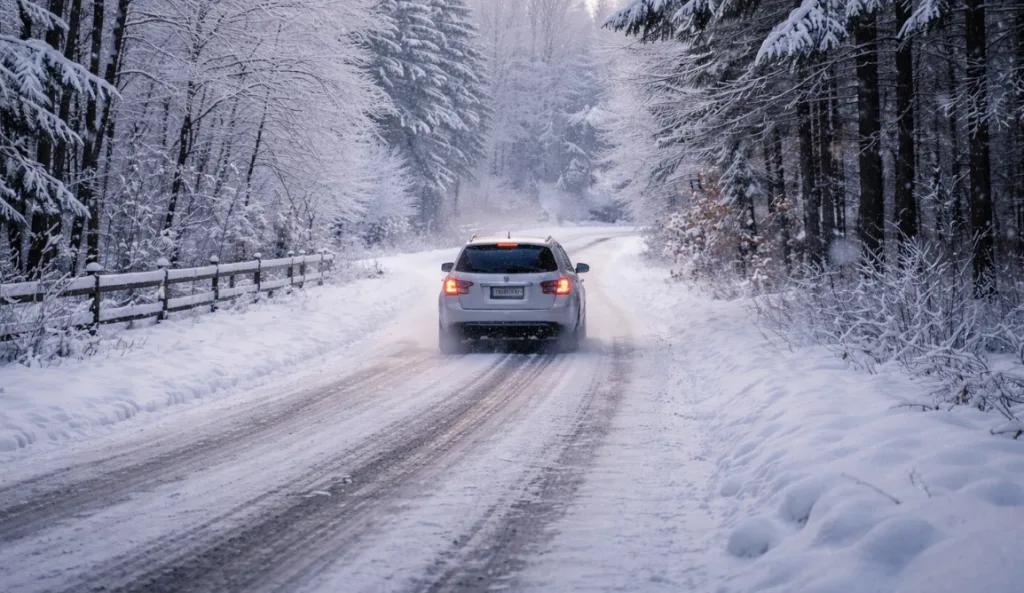
The winter season in Connecticut brings a combination of snow, ice, freezing rain, fog, and reduced visibility. These conditions significantly reduce traction and increase stopping distances, even for careful drivers.
Common winter driving hazards include:
- Icy roads and black ice
- Snowy and icy roads with poor traction
- Slippery roads caused by ice and snow
- Freezing temperatures that affect vehicle performance
- Poor visibility from snowfall, fog, or whiteout conditions
Many accidents happen when drivers underestimate how dangerous winter road conditions can be.
Common Types of Winter Car Accidents
Winter car accidents often involve:
- Rear end collisions caused by longer stopping distances
- Multi car pileups during snowy or icy conditions
- Loss-of-control crashes on less traveled roads
- Accidents at traffic signals when vehicles slide through intersections
Snowy roads and icy conditions increase the likelihood of accidents involving multiple vehicles.
How Winter Weather Affects Vehicle Control
Winter weather directly impacts a vehicle’s ability to stop, turn, and maintain control. Snow and ice reduce friction between tires and the road, making sudden movements dangerous.
Drivers should:
- Slow down and reduce speed
- Avoid sudden movements when steering or braking
- Maintain control by increasing following distance
- Avoid cruise control on icy roads
Using winter tires can provide better traction, but they do not eliminate the risk of a crash.
Road Conditions and Maintenance Issues
Road maintenance plays a critical role in winter safety. Accidents may occur when:
- Snow removal is delayed
- Ice is not properly treated
- Road conditions deteriorate without warning
Weather conditions can change rapidly, and untreated icy roads create serious hazards for drivers.
Safety Measures for Winter Driving
To stay safe during the winter months, drivers should take practical safety measures, including:
- Checking the weather forecast before traveling
- Maintaining proper tire pressure
- Using windshield washer fluid rated for cold weather
- Keeping a first aid kit or aid kit in the vehicle
- Carrying non perishable snacks and extra batteries
These steps can help prevent injuries and reduce risk if a crash occurs.
Reduced Visibility and Winter Hazards
Reduced visibility from snow, fog, rain, or freezing rain makes winter driving especially dangerous. Drivers must stay alert and adjust speed when visibility is limited.
Whiteout conditions and blowing snow can make it difficult to see other vehicles, traffic signals, or hazards ahead.
Injuries Caused by Winter Accidents
Winter accidents often result in serious injuries, including:
- Head and neck injuries
- Broken bones
- Back injuries
- Soft tissue injuries
Many people are injured annually in winter-related crashes, often facing significant medical bills and long recovery periods.
What to Do After a Winter Car Crash
If you are involved in a winter car accident:
- Seek medical attention immediately
- Document road conditions, snow, ice, and weather
- Take photos of vehicle damage and the crash scene
- Obtain information from other drivers involved
- Avoid admitting fault at the scene
Medical documentation is essential if injuries appear later.
Connecticut Law and Winter Driving Accidents
Under Connecticut law, drivers are expected to adjust their driving behavior for winter weather and hazardous road conditions. Failing to slow down or maintain control in snowy or icy conditions may be considered negligent.
Liability may involve one or more drivers, depending on speed, visibility, and road conditions at the time of the crash.
Legal Options After a Winter Accident
If your winter crash was caused by another driver’s negligence, you may have legal options to recover compensation for:
- Medical bills
- Lost income
- Pain and suffering
- Vehicle damage
Each case depends on the facts, road conditions, and the actions of the drivers involved.
Why Legal Guidance Matters After a Winter Crash
Winter accident claims can be complex. Insurance companies may argue that weather conditions caused the crash rather than driver negligence. Legal guidance helps ensure your injuries and losses are properly evaluated.
A law firm experienced with winter accident cases can help protect your rights.
Speak With Gould Injury Law
If you or a loved one was injured in a winter car accident in Connecticut, you may be entitled to compensation. Winter driving hazards should not leave victims responsible for preventable injuries.
Gould Injury Law represents injured individuals throughout Connecticut and helps clients pursue fair outcomes after serious accidents.
Contact Gould Injury Law today to schedule a free consultation and learn more about your legal options after a winter crash.