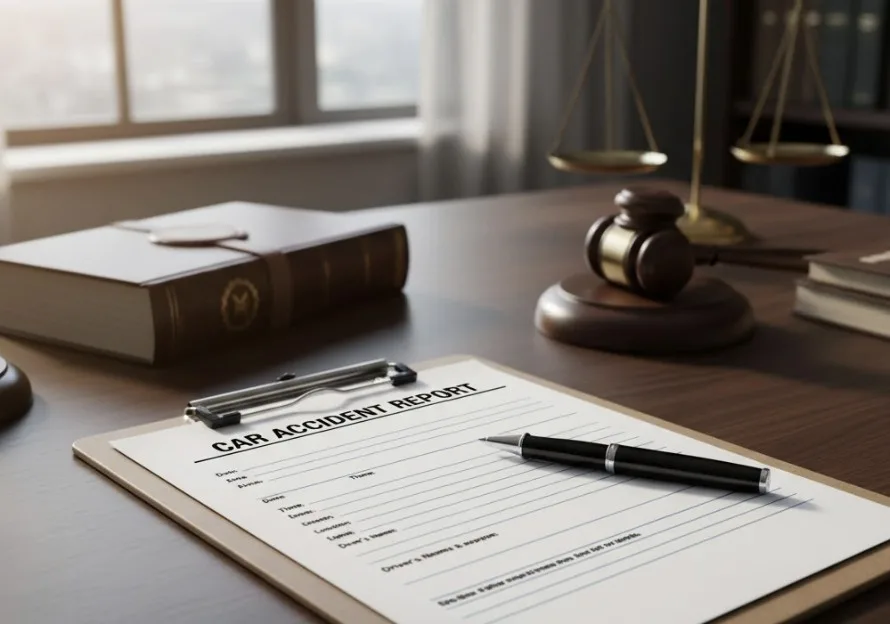
After a car accident in Connecticut, one of the most crucial documents in your case is the police report. It details how the collision occurred, who was involved, and—perhaps most importantly—who the reporting officer believes was at fault. But what if the report is wrong? Fault attribution errors happen more often than most people realize, and they can significantly affect your insurance claim and your right to fair compensation.
At Gould Injury Law, our experienced car accident lawyers help drivers in Hartford and across Connecticut dispute fault findings and fight for the justice they deserve. Here’s how you can challenge an inaccurate car accident fault determination and protect your financial future.
Understanding Fault in a Connecticut Car Accident
Connecticut follows a modified comparative negligence system, which means that the amount of compensation you can recover depends on your percentage of fault. If you’re found more than 50% at fault, you can’t recover damages. This makes every detail in your car accident report critical.
Police officers often make quick judgments at the accident scene, sometimes based on limited evidence or biased witness accounts. Their conclusion—while influential—is not the final word. Insurance companies and courts will review your police report, but they can reconsider fault if you present strong supporting evidence.
Common Reasons Fault Gets Misattributed
A faulty report doesn’t always mean bad faith. Mistakes happen for many reasons, including:
- Incomplete or conflicting witness statements
- Errors in the officer’s narrative or diagram
- Incorrect assumptions about traffic laws
- Failure to note weather, lighting, or road conditions
- Missed evidence like skid marks or vehicle damage
Even small factual errors can lead an insurance company to assign fault incorrectly, reducing or even denying your claim.
Steps to Dispute a Faulty Car Accident Report
If you believe your crash report is inaccurate, don’t panic. There’s a process to dispute fault and submit clarifying information.
1. Obtain and Review the Full Report
Request the police report from the responding department as soon as it’s available. Read it carefully for factual mistakes, wrong license plate numbers, incorrect weather descriptions, or inaccurate time of day can all matter.
2. Gather Additional Evidence
Collect as much physical and digital evidence as possible, including:
- Photos and videos of the accident scene
- Surveillance footage from nearby businesses
- Vehicle damage assessments
- Medical records linking injuries to the collision
- Witness statements supporting your account
The stronger your evidence, the easier it is to dispute fault with insurers or in court.
3. Contact the Police Department
If factual errors exist, you can submit a detailed letter and supporting documents to the department that issued the report. In some cases, a supplemental report or correction may be added to your file.
4. Notify Your Insurance Company
Tell your insurance adjuster that you’re challenging the report. Provide any new evidence or statements that support your position. Never assume that the officer’s word is final, insurance companies are required to consider all relevant information before assigning fault.
5. Consult an Experienced Personal Injury Attorney
Because fault disputes can significantly impact your compensation, having a Connecticut personal injury lawyer on your side is critical. Your attorney can handle communications with insurers, file appeals, and present expert testimony to show that the other driver was truly responsible.
How Evidence Can Shift the Outcome
A strong legal claim depends on objective proof. For example, dashcam or surveillance footage can clearly show whether a driver ran a red light or failed to yield. Accident reconstruction experts can analyze vehicle positions, skid marks, and damage patterns to explain how the crash occurred.
Even small details, like traffic sign placement or poor visibility, can shift fault in your favor. The goal is to establish liability with evidence that’s hard to dispute.
Get Legal Help After a Fault Dispute
If you’re dealing with a disputed fault attribution after a Connecticut car crash, don’t navigate the process alone. Insurance companies have legal teams whose job is to minimize payouts—but you have rights, and you deserve to be heard.
The team at Gould Injury Law knows how to build compelling personal injury cases that challenge unfair fault assignments. We act quickly, gather crucial evidence, and negotiate aggressively to protect your interests.
Call 888-WIN-FAST today for a free consultation with an experienced Connecticut car accident attorney. Let us help you fight for the fair compensation you deserve.