ATVs and other off-road vehicles are popular in Connecticut for recreational purposes, but ATV accidents and off-road vehicle crashes often result in serious injuries. Gould Injury Law regularly represents injured riders and families across Connecticut who are dealing with the physical, financial, and legal consequences of these crashes.
If you or a loved one was injured in an ATV accident in Connecticut, the steps you take immediately afterward can significantly affect your health, insurance claims, and potential personal injury case.
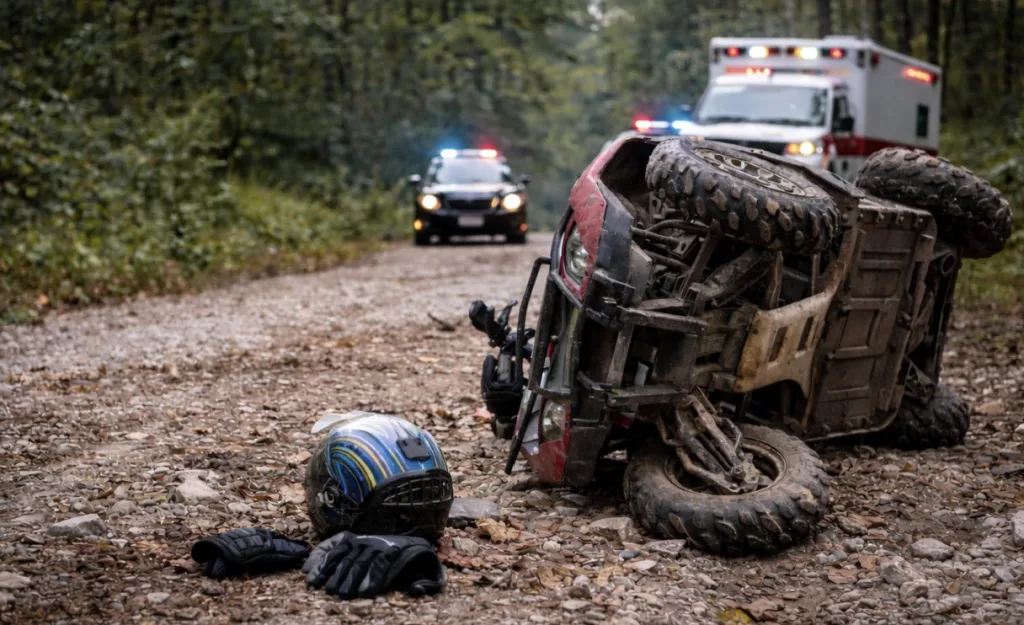
Get to Safety and Call Emergency Services
After an ATV collision or crash involving off-road vehicles, safety comes first.
You should:
- Move away from traffic or unsafe conditions if possible
- Call emergency services immediately for serious injuries
- Avoid attempting to ride or move a damaged ATV
Many ATV crashes occur on private property, public land, or designated trails where help may not arrive quickly without a call.
Seek Prompt Medical Attention
Even if injuries seem minor, always seek prompt medical attention after an ATV crash. These accidents commonly cause:
- Traumatic brain injuries
- Spinal cord injuries
- Broken bones
- Neck injuries
- Internal injuries
Medical records document the injuries sustained and connect them to the accident, which is critical for insurance claims and personal injury cases.
Report the Accident and Obtain a Police Report
Depending on where the crash occurred, police officers or other authorities may respond. A police report can be important even for off-road accidents, especially when:
- The crash involves a passenger vehicle
- Someone is seriously injured or killed
- Property damage is significant
- The accident occurred on public roads or state land
If law enforcement does not respond, document the incident as thoroughly as possible.
Document the Accident Scene
If it is safe to do so, gather evidence at the accident scene:
- Photos of the ATV and property damage
- Trail or road conditions
- Safety gear being worn
- Witness contact information
- Any signs of poor maintenance or unsafe conditions
This documentation can be crucial when dealing with insurance companies or pursuing legal action.
Understand Connecticut ATV Safety Laws
Under Connecticut law, ATVs and off-road vehicles are subject to specific safety rules, including restrictions on:
- Use on public roads and paved surfaces
- Carrying passengers
- Young riders and minimum age requirements
- Designated trails and permitted land
Violations of ATV safety laws can affect liability and insurance coverage, but they do not automatically prevent injured parties from seeking compensation.
Identify Potential Causes of the Crash
ATV crashes can happen for many reasons, including:
- Excessive speed
- Driving recklessly
- Poor maintenance
- Unsafe trail or land conditions
- Defective ATV design or manufacturing issues
- Negligence by another rider or motor vehicle driver
Understanding what caused the accident helps determine who may be legally responsible.
Determine Who May Be Liable
Liability in ATV accidents can be complex. Potentially responsible parties may include:
- Another ATV rider
- A motor vehicle driver in an ATV-car accident
- A property owner who failed to address unsafe conditions
- An ATV manufacturer if defects contributed to the crash
Crashes on private land, public land, or someone else’s property each raise different legal considerations.
Review Insurance Coverage Options
Insurance coverage for ATV accidents is not always straightforward. Depending on the circumstances, coverage may come from:
- Auto insurance policies
- Homeowners insurance
- Additional or specialty coverage
- The insurance company of another at-fault party
Insurance companies often dispute coverage in ATV injury claims, making careful review essential.
Common Injuries in ATV Crashes
Because ATVs offer little protection, severe injuries are common. These may include:
- Head injuries and traumatic brain injuries
- Spinal cord injuries
- Broken bones
- Internal organ damage
- Wrongful death in the most serious cases
Medical treatment and long-term care costs can be substantial.
Do Not Assume You Are at Fault
ATV riders are often blamed automatically after crashes, but fault is not always clear. Factors such as:
- Unsafe property conditions
- Defective equipment
- Negligence by others
may play a significant role. Avoid making statements about fault before obtaining legal guidance.
Consider Your Legal Options
Injured parties may have the right to seek compensation for:
- Medical expenses and medical bills
- Lost wages
- Pain and suffering
- Property damage
A personal injury claim may be appropriate even if the crash occurred off road or on private property.
Why Legal Guidance Matters in ATV Injury Cases
ATV injury cases involve unique issues related to insurance coverage, liability, and Connecticut law. An experienced personal injury attorney can:
- Investigate the cause of the accident
- Identify all potential sources of compensation
- Handle insurance claims and disputes
- Protect your legal rights throughout the process
How Gould Injury Law Can Help
Gould Injury Law represents injured ATV riders and families throughout Connecticut, including cases involving ATV crashes, off-road vehicle accidents, and serious injuries. We understand how these cases differ from standard car accidents and how to pursue accountability when negligence is involved.
Speak With Gould Injury Law Today
If you were injured in an ATV or off-road vehicle crash in Connecticut, it is important to understand your rights and options. Gould Injury Law can review your situation, explain the legal process, and help you determine the best path forward.
Contact Gould Injury Law today to discuss your case and learn how we can assist you with your personal injury claim.