When a peaceful ride turns into a serious collision, few people are prepared for the aftermath of an ATV accident involving a passenger vehicle. These crashes can cause severe injuries, extensive property damage, and complex legal questions about liability and insurance. At Gould Injury Law, we’ve helped many Connecticut clients navigate the confusion that follows when an all-terrain vehicle collides with a car, and knowing what to do next can make all the difference.
Understanding How ATV Accidents Happen
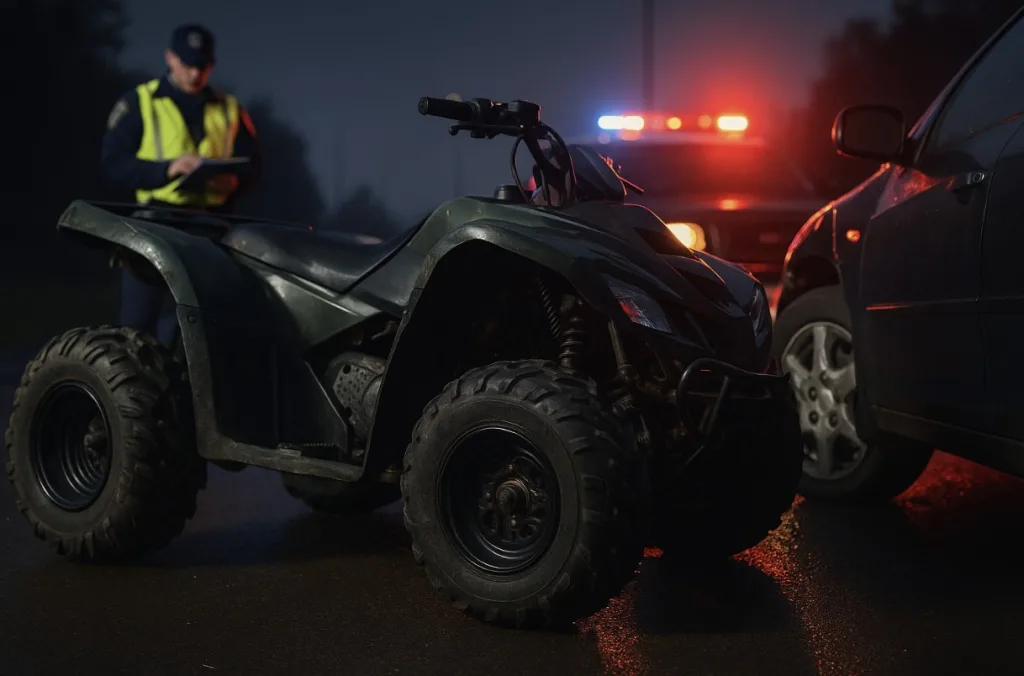
ATVs (all-terrain vehicles) are designed for off-road use, but riders sometimes operate them on public roads or private property where they may encounter cars, trucks, or pedestrians. Because ATVs lack the protection of an enclosed vehicle, collisions with passenger cars often result in catastrophic or fatal injuries.
Common causes of ATV crashes include:
- Excessive speed or reckless operation
- Riding on public roads not designated for ATVs
- Poor visibility due to low lighting or terrain
- Defective parts or mechanical failures
- Driver inattention by either the ATV operator or motorist
When an ATV collides with a car, the results can be devastating for both drivers. Establishing fault requires a detailed investigation — and often, multiple insurance policies come into play.
Who Is Liable in an ATV-Car Collision?
Liability in ATV accidents depends on where the crash occurred and who caused it. Under Connecticut law, the at-fault party is responsible for covering medical expenses, property damage, and other losses.
Here are some potential parties that may share liability:
- The ATV operator, if they were driving recklessly or illegally on a public road.
- The car driver, if they failed to yield, were speeding, or were distracted.
- A property owner, if poor maintenance or unsafe conditions on private land contributed to the crash.
- An ATV manufacturer, if a mechanical defect or design flaw caused the collision.
Because these cases often involve multiple defendants and insurance companies, having an experienced ATV accident lawyer ensures your rights are protected.
Insurance Coverage: Who Pays for What?
One of the biggest challenges after an ATV accident is determining which insurance policy applies. Many auto insurance policies exclude coverage for off-road vehicles, while homeowners insurance may or may not cover ATV crashes on private property.
Here’s how coverage may apply depending on the situation:
- Auto insurance: May cover property damage and injuries if the ATV was operated on a public road and the policy doesn’t exclude ATVs.
- Homeowners insurance: Could provide coverage if the accident happened on the property of the insured and was not due to intentional misconduct.
- ATV insurance: Specialized ATV policies often cover liability, medical payments, and property damage for the rider.
- Uninsured motorist coverage: May apply if the at-fault driver doesn’t have sufficient coverage to pay for your injuries.
These policies have overlapping terms and exclusions, which is why a skilled attorney can help you file the correct insurance claims and avoid being denied compensation.
Common Injuries in ATV and Car Collisions
When an ATV crashes into a car, the injuries are often severe due to the vehicle’s open design and lack of protection. Victims may suffer:
- Traumatic brain injuries (TBIs)
- Spinal cord injuries or paralysis
- Broken bones and fractures
- Internal bleeding and organ damage
- Soft tissue injuries and lacerations
Even minor ATV accidents can lead to costly medical treatment, long-term rehabilitation, and emotional trauma. Prompt medical attention and thorough documentation are crucial for a successful personal injury claim.
Steps to Take After an ATV-Car Accident
If you or someone you love is involved in an ATV collision in Connecticut, take these steps to protect your legal and financial rights:
- Call emergency services immediately. Report the accident to law enforcement so a police report is created.
- Seek medical treatment right away, even if injuries aren’t obvious — some internal injuries have delayed symptoms.
- Document the scene. Take photos or video footage of the vehicles, skid marks, and surrounding area.
- Collect insurance and contact information from all parties involved.
- Do not admit fault or make recorded statements to an insurance company without legal guidance.
- Contact an experienced personal injury attorney who understands both ATV and motor vehicle accident law in Connecticut.
The faster you act, the better your chances of preserving critical evidence and securing a strong claim.
Legal Options After an ATV Accident
Victims of ATV accidents may be entitled to compensation for:
- Medical expenses and future treatment costs
- Lost income and diminished earning capacity
- Property damage
- Pain and suffering
- Emotional distress
In cases involving defective parts or unsafe property conditions, your attorney may pursue additional claims such as product liability or premises liability to ensure full recovery.
Why You Need a Connecticut ATV Accident Lawyer
Because ATV collisions involve unique insurance and legal complexities, working with an experienced personal injury attorney gives you the best chance at a fair settlement. The attorneys at Gould Injury Law understand the nuances of Connecticut law and act quickly to gather evidence, negotiate with insurers, and, if necessary, take your case to court.
We focus on getting results, and getting them fast.
Get Fast Legal Help from Gould Injury Law
If you or a loved one has been injured in an ATV accident in Connecticut, don’t wait to protect your rights. The legal team at Gould Injury Law has years of experience handling specialty vehicle accidents and can help you navigate insurance claims, medical bills, and the legal process with confidence.
Call 888-WIN-FAST today for a free consultation and let us help you pursue the compensation you deserve.