On a busy Connecticut roadway, the truth can disappear in minutes. Cars get moved to clear traffic. Witnesses leave. Skid marks fade. Cameras overwrite footage. And while you are trying to get medical help, the insurance company is already building its defense.
Evidence is what keeps your claim from turning into a blame game. It is what prevents insurers from inventing fault percentages. It is what proves what happened when stories conflict.
Gould Injury Law moves fast because evidence does not wait. If you want fair compensation, you need proof. And you need it before it disappears.
Get answers now! Contact Gould Injury Law, experienced personal injury attorneys, today.
Why busy street cases are different
Busy street crashes and pedestrian incidents have unique challenges:
- More drivers and more conflicting accounts.
- More distractions and more fault arguments.
- More cameras exist, but footage is often deleted quickly.
- More pressure to clear the scene, limiting documentation.
- More risk of secondary impacts and chain reactions.
In Connecticut, these cases are common near highway entrances, commercial corridors, and downtown intersections. When a crash happens near a high traffic area, insurers often argue that everyone contributed. Your job is to prove who actually caused the incident.
You need results - and you need them fast. Contact Gould Injury Law now.
The evidence categories that matter most
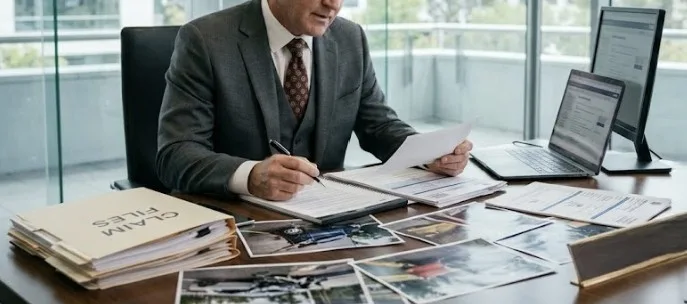
Strong claims are built with layered evidence. The most important categories include:
Scene documentation
- Wide photos showing lane layout, signals, signage, and traffic patterns.
- Close photos showing vehicle positions, debris, and road conditions.
- Photos of skid marks, gouges, or fluid trails where safe.
- Photos of weather and lighting, especially in winter and dusk conditions.
Vehicle documentation
- Photos of all vehicles from multiple angles.
- Close photos of impact points and damage patterns.
- License plates, company markings, and DOT numbers on commercial trucks.
Witness evidence
- Names and phone numbers of witnesses.
- Short statements, even if informal.
- Notes about where the witness was positioned.
Video evidence
- Business surveillance cameras.
- Doorbell cameras near residential streets.
- Dashcam footage.
- Public camera systems where available.
- Ride share in app records and driver activity logs.
Medical documentation
- Emergency evaluation and imaging when warranted.
- Clear notes connecting symptoms to the incident.
- Follow up appointments and therapy documentation.
Insurance companies may act like one category is enough. It is not. The strongest cases stack categories so the defense cannot escape.
The fast evidence checklist after a crash
If you are able, or if someone can help you, do this immediately:
- Call for medical help if needed.
- Call police and request a report.
- Take wide photos from multiple angles.
- Photograph signals, crosswalks, and lane markings.
- Photograph all vehicles and damage.
- Identify witnesses and collect contact info.
- Note nearby businesses and buildings with cameras.
- Save any ride share screenshots and trip details.
- Seek medical evaluation and follow advice.
- Contact Gould Injury Law before speaking to insurers.
Waiting even one day can cost you video footage. Many systems overwrite quickly. Fast preservation requests matter.
We are the Fast Firm. You do not wait - we do not either. Contact Gould Injury Law now.
How evidence affects comparative fault and settlement value
Connecticut uses a modified comparative negligence system. If an insurer can push your fault percentage higher, they reduce what they pay. If they can push it above the cutoff, they may try to eliminate recovery. That is why they build narratives like you were distracted, you made a sudden move, you crossed outside a crosswalk, or you were speeding.
Evidence defeats those narratives. For example:
- Signal timing evidence supports right of way.
- Video shows who entered a lane first.
- Damage patterns show angle and impact sequence.
- Witness statements confirm the timeline.
- Medical documentation shows immediate symptoms and impact mechanics.
When insurers see layered proof, their posture changes. Delay and denial become riskier for them.
Get answers now - reach out to Gould Injury Law today.
Special evidence issues in truck accidents
Truck accident cases often involve corporate defendants and higher policy limits. They also involve evidence that can vanish if not preserved:
- Electronic logging devices.
- Driver qualification files.
- Maintenance and inspection records.
- Dispatch and route data.
- Onboard camera footage.
Companies may not preserve this evidence unless they are forced to. Early legal action is often required. Gould Injury Law moves quickly to demand preservation and prevent spoliation.
Special evidence issues in Uber and Lyft accidents
Ride share cases can get complicated fast because coverage depends on whether the driver was offline, waiting for a ride, en route, or transporting a passenger. Evidence should include:
- Screenshots of trip status and timing.
- Driver identity and vehicle details.
- App messages and ride receipts.
- Location and route information.
This information can clarify coverage and prevent insurers from shifting responsibility between policies.
Evidence collection in pedestrian and bicycle crashes
Pedestrian and bicycle cases often face unfair bias. Insurers argue the person was careless, invisible, or outside a crosswalk. Evidence is essential:
- Video from nearby businesses.
- Witnesses who saw the crossing.
- Photos of the crosswalk, signage, and lighting.
- Medical documentation showing impact mechanism.
Fast investigation can protect you from blame shifting and speed resolution.
You need results - and you need them fast. Contact Gould Injury Law now.
What if you did not collect evidence at the scene?
Sometimes you are too injured to take photos. Sometimes you are transported by ambulance. Do not assume it is too late. A lawyer can:
- Request and preserve video footage quickly.
- Obtain police reports and 911 records.
- Identify witnesses through canvassing.
- Secure repair shop photos and vehicle damage documentation.
- Reconstruct timelines using available data.
But it is always harder when time has passed. That is why contacting Gould Injury Law early matters.
Frequently asked questions about evidence collection in Connecticut injury claims
How fast does surveillance video get deleted?
It varies. Some systems overwrite in days. Some overwrite sooner. Do not assume it will be there later.
Should I talk to the other driver's insurer?
Not without legal guidance. They may seek a recorded statement and use your words against you.
What if the police report is wrong?
Reports are helpful but not perfect. Photos, video, witnesses, and medical evidence can correct errors.
Do I have to have an attorney to preserve evidence?
You can try, but formal requests and follow up often carry more weight when handled by counsel.
Take the Next Step Toward Protecting Your Case
You have waited long enough. Let Gould Injury Law step in and take the pressure off. Contact us today for a free consultation - and let us get your recovery moving.