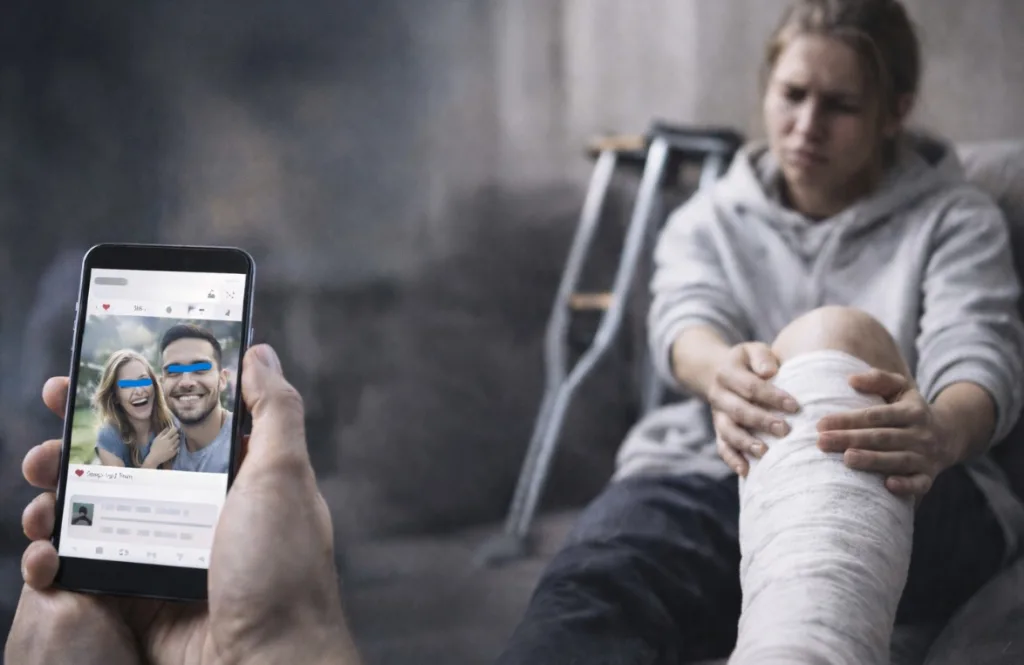
Social media is second nature in today’s world, but after an accident, what you post online can seriously impact your personal injury claim. Insurance companies, defense attorneys, and legal teams regularly review social media accounts to find content they can use against injury victims. Gould Injury Law advises Connecticut clients to be extremely cautious about their social media presence while an injury case is pending.
Even posts that seem harmless can cast doubt on injuries, raise questions about credibility, and reduce the full value of a claim.
Why Social Media Matters in Personal Injury Cases
Social media content is often treated as digital evidence during the legal process. Insurance companies and defense attorneys actively gather information from platforms like Facebook, Instagram, TikTok, and X to challenge injury claims.
Anything you post — photos, videos, check-ins, status updates, comments, or private messages — may be scrutinized if it relates to:
- Physical activities
- Emotional distress
- Daily life after the accident
- Medical treatment or recovery
Even deleted posts may still exist through screenshots or archived data.
How Insurance Companies Use Social Media Evidence
Insurance adjusters are trained to minimize payouts. One way they do this is by reviewing social media posts to argue that injuries are exaggerated or unrelated to the accident.
Common tactics include:
- Using photos or videos to suggest physical abilities exceed reported injuries
- Pointing to smiling photos to dispute emotional distress
- Highlighting check-ins or travel posts to question medical limitations
- Using tagged posts from friends or family as indirect evidence
Social media evidence does not need to prove anything conclusively — it only needs to raise doubt.
“Private” Accounts Are Not Truly Private
Many injured people assume private accounts are safe. They are not.
Even private posts may become accessible through:
- Court orders
- Discovery requests during legal proceedings
- Tagged posts from others
- Shared content from friends and family
Private messages can also be requested if they are relevant to a personal injury case. The idea that privacy settings fully protect online activity is one of the most common social media pitfalls.
Common Social Media Mistakes That Hurt Injury Claims
Posting Photos or Videos
Images showing physical activity — even from a short moment — can be taken out of context and used to argue that injuries are minor.
Discussing the Accident Online
Posts describing what happened, assigning blame, or sharing opinions about fault can be used directly against you.
Location Tags and Check-Ins
Location check-ins may suggest mobility or activity levels inconsistent with claimed injuries.
Commenting on Emotional State
Statements that suggest you are “feeling fine” or “doing better” can undermine emotional distress claims.
Letting Others Post About You
Friends and family may post photos, tag you, or comment on your recovery without realizing the legal consequences.
Social Media and Workers’ Compensation Claims
Social media risks apply not only to personal injury cases but also to workers’ compensation claims. Insurance companies often monitor injured workers’ social media activity to argue that injuries are not work-related or that restrictions are unnecessary.
Even posts unrelated to work can affect a workers comp case if they suggest physical capabilities beyond medical restrictions.
Deleted Posts and Past Content Still Matter
Deleting posts after an accident does not always solve the problem. Past posts, deleted posts, and even older content can still be relevant if it conflicts with injury claims.
In some cases, deleting content after a claim begins may raise additional legal scrutiny.
Why Emotional Distress Claims Are Especially Vulnerable
Claims involving emotional distress are particularly sensitive to social media evidence. Posts showing social activity, humor, or positive moments may be misrepresented to suggest emotional harm is exaggerated.
This does not mean injured people must stop living their lives — but it does mean they must be careful about what they share publicly.
Best Practices to Protect Your Injury Case
To reduce social media risks during an injury claim:
- Avoid posting altogether if possible
- Do not discuss the accident or injuries online
- Ask friends and family not to tag you or post about you
- Adjust privacy settings, but do not rely on them
- Avoid location check-ins
- Never post photos or videos of physical activities
- Assume everything you post could be reviewed by defense attorneys
These steps help protect the integrity of your claim during the claims process.
Social Media Evidence and Connecticut Courts
Courts in Connecticut generally allow relevant social media content as admissible evidence if it relates to injuries, credibility, or damages. Once admitted, that content can influence settlement negotiations and trial outcomes.
This is why early legal guidance is critical — mistakes made online are often irreversible.
Why Legal Guidance Matters Early
A personal injury attorney can help you:
- Understand what social media content is risky
- Preserve your legal position
- Respond to discovery requests properly
- Protect your digital footprint
- Pursue fair compensation without unnecessary setbacks
Waiting too long to get advice can allow preventable mistakes to damage your case.
Talk to Gould Injury Law Before Posting Anything Else
If you are pursuing a personal injury claim in Connecticut, social media use can have serious consequences for your legal case. Gould Injury Law helps injury victims navigate the legal process and avoid common mistakes that insurance companies exploit.
Before posting anything online, speak with a legal team that understands how social media evidence affects injury claims.
Contact Gould Injury Law to protect your rights and your claim.